

Cycle Syncing Your Workouts: Train According to Your Menstrual Phase
Introduction Ever notice how sometimes you’re full of energy during a workout, while other times you feel sluggish or unmotivated? Your menstrual cycle might have a hand in it. Cycle syncing—customizing your exercise regimen to the hormonal fluctuations in each...
Read More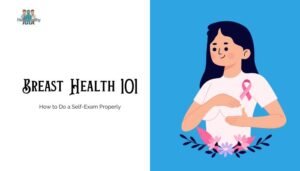
Breast Health 101: How to Do a Self-Exam Properly
Introduction A breast self-exam (BSE) is an at-home check of your breasts and underarm area to look for lumps, texture changes, or other irregularities. While professional screenings—like mammograms—remain vital for early cancer detection, understanding your breasts’ usual look and feel...
Read More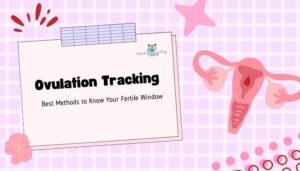
Ovulation Tracking: Best Methods to Know Your Fertile Window
Introduction Whether you’re trying to conceive or simply aiming to better understand your menstrual cycle, knowing your fertile window is pivotal. Ovulation—when the ovary releases an egg—usually occurs about midway through a cycle, but can vary from woman to woman...
Read More
PCOS and Fertility: Getting Pregnant with Polycystic Ovary Syndrome
Introduction Polycystic Ovary Syndrome (PCOS) is a hormonal condition that disrupts normal ovulation and often leads to irregular periods, excess androgen (male hormone) levels, and insulin resistance. Many women discover they have PCOS when trying to conceive and encountering fertility...
Read More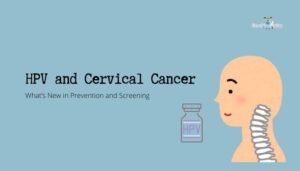
HPV and Cervical Cancer: What’s New in Prevention and Screening
Introduction Cervical cancer remains one of the most preventable cancers, largely thanks to vaccines and improved screening. Human papillomavirus (HPV) is the main culprit behind most cervical cancers, and we now have multiple lines of defense—from immunizations that prevent infection...
Read More
When to Worry About Breast Lumps: A Guide for Younger Women
Introduction Finding a lump in your breast can be nerve-wracking, especially if you’re a younger woman who might not expect breast issues to arise so soon. While breast lumps often turn out to be harmless—such as fibroadenomas or cysts—it’s crucial...
Read More
C-Section Recovery: Tips for Healing After Cesarean Delivery
Introduction A C-section—short for cesarean section—offers a safe way to deliver a baby when vaginal birth isn’t feasible or advisable. However, it is major abdominal surgery. Postoperative healing demands special care to ensure the incision heals properly and you regain...
Read More
Maternal Mortality Crisis: Why Are U.S. Moms at Risk?
Introduction In recent years, the United States has faced a troubling trend: maternal mortality rates have risen, setting the country apart from other high-income nations that have seen overall declines. These deaths often occur during or shortly after pregnancy from...
Read More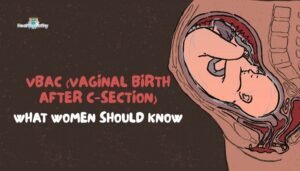
VBAC (Vaginal Birth After C-Section): What Women Should Know
Introduction Historically, the phrase “once a cesarean, always a cesarean” ruled the day. However, many women who have had a prior C-section can safely deliver vaginally in subsequent pregnancies. Called VBAC (Vaginal Birth After Cesarean), this approach can offer numerous...
Read More
High-Risk Pregnancy: What It Means and How to Navigate One
Introduction While many pregnancies progress without major concerns, certain health conditions, age factors, or complications can categorize a pregnancy as high-risk. This means there’s an elevated chance of complications that could affect the mother’s or baby’s health. Yet, a high-risk...
Read More