Introduction
Testosterone is often associated with muscle mass, sex drive, and energy in men, but its influence stretches deeper—affecting emotional well-being, mental clarity, and stress responses.While normal fluctuations in testosterone levels occur throughout the day and life stages, significant imbalances may lead to changes in mood, irritability, or reduced focus.
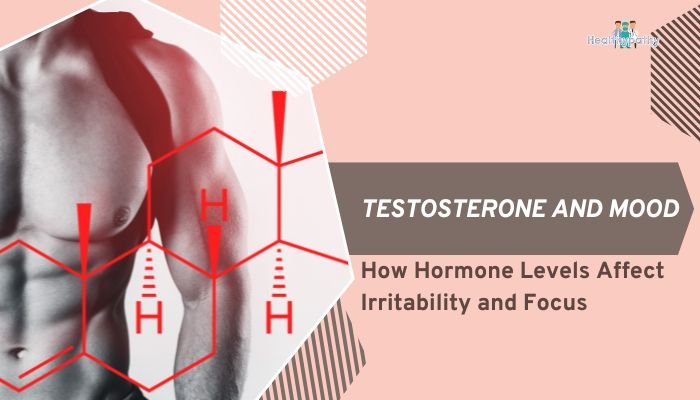
Understanding this connection helps men recognize potential hormone-related issues and consider strategies, from lifestyle shifts to medical guidance, that can optimize hormone balance.
Disclaimer: This guide offers general information, not a replacement for professional medical advice. Consult a healthcare provider if you suspect hormonal problems or significant mood disturbances.
The Role of Testosterone in Men’s Mood
Basics of Testosterone
Produced primarily in the testes, with small amounts from adrenal glands, testosterone regulates muscle growth, bone density, sperm production, and influences how men experience energy and motivation. Brain regions controlling mood also respond to testosterone, highlighting its potential effect on well-being.
Mood Regulation
When levels are optimal, men typically benefit from stable energy, a positive outlook, and better resilience to stress. Low testosterone (Low T) may reduce dopamine or other neurotransmitters, contributing to feelings like irritability, depression, or apathy. Conversely, excessively high or volatile levels might coincide with anger or aggression issues, though such extreme shifts are less common unless artificially manipulated (e.g., steroid abuse).
How Testosterone Affects Irritability
Low Testosterone and Irritability
- Emotional Instability: Chronic deficiency can provoke frustration or mood swings, making men more reactive to minor stressors.
- Fatigue and Self-Confidence: Feeling tired or experiencing changes in body composition can lower self-esteem, indirectly fueling irritability.
Testosterone Fluctuations
- Daily Rhythms: Men’s testosterone typically peaks in the morning and declines as the day progresses. Rapid drops might lead to short-term irritability or tension, especially in the afternoon/evening.
- Aging and Andropause: As men hit their 40s or 50s, gradual hormone decline might intensify stress responses or bring chronic irritability if left unmanaged.
Concentration and Cognitive Function
Impact on Focus
Adequate testosterone levels support working memory and attention. Men with lower levels may report difficulty in concentrating on tasks, losing mental clarity under pressure, or feeling mentally “foggy.”
Hormone–Brain Interaction
- Prefrontal Cortex: Responsible for decision-making and executive function. Balanced testosterone can improve motivation or mental stamina, while imbalances might hinder these processes.
- Neurotransmitters: Dopamine and serotonin, crucial to mood and focus, interact with hormone signals. Too little testosterone may reduce these chemicals, limiting mental sharpness.
Signs of Hormonal Imbalance
Recognizing Low T
- Persistent Fatigue: Even after sufficient rest.
- Decreased Libido: Noticeable drop in sexual desire or erectile difficulties.
- Increased Body Fat or Muscle Loss: In spite of consistent exercise.
- Mood Changes: Heightened irritability, anxiety, or depression.
Indicators of High T
- Acne or Oily Skin: Possibly from elevated androgen levels.
- Mood Swings: Overly aggressive or restless behavior can sometimes occur if excessively high.
- Steroid Use: Men using anabolic steroids can develop artificially high testosterone, potentially leading to irritability or “roid rage.”
Supporting Balanced Testosterone and Mood
Lifestyle Adjustments
- Regular Exercise: Weightlifting or high-intensity interval training (HIIT) might slightly boost T-levels, while also improving mental resilience.
- Healthy Diet: Prioritize whole foods, lean proteins, moderate healthy fats, and necessary micronutrients (zinc, vitamin D).
- Adequate Sleep: 7–8 hours nightly fosters hormone regulation, affecting both test levels and mental clarity.
Stress Management
Chronic stress increases cortisol, which can suppress testosterone production. Techniques include:
- Mindfulness or Meditation: Short daily sessions help lower cortisol.
- Therapy or Counseling: If anxiety or mood swings are persistent, professional guidance helps reframe triggers and develop coping strategies.
Medical Evaluation
Men suspecting hormone imbalances can undergo blood tests measuring total and free testosterone. If T-levels are abnormally low, discussing potential treatments—like testosterone replacement therapy (TRT)—with a doctor is an option, though each patient’s situation is unique.
Handling Relationship Dynamics
Communication with Partners
Explaining how low T or mood fluctuations affect daily interactions can foster empathy, preventing misunderstandings. Partners can be part of the solution—encouraging healthy habits or helping monitor symptoms.
Employer or Peer Support
If men notice concentration or mood issues at work, they might discreetly discuss accommodations (like short breaks or flexible schedules) with HR or a supervisor. Understanding colleagues can reduce external pressure and help men manage stress.
Key Takeaways
- Balanced Testosterone Influences Mood: Men with stable hormone levels often enjoy consistent energy and sharper focus; large fluctuations or deficiency can elevate irritability.
- Physical and Mental Link: Factors like daily stress, exercise, and diet profoundly affect hormone production—so lifestyle improvements can boost both T-levels and mental health.
- Symptoms of Low T: Chronic fatigue, muscle loss, lower libido, and heightened irritability may signal a need for medical evaluation.
- Medical and Lifestyle Approaches: Combining therapy or potential TRT (if warranted) with mindful habits fosters sustainable well-being.
- Open Communication: Family, partners, or mental health professionals can offer support when addressing hormone-driven mood challenges.
Conclusion
Men’s testosterone levels play an integral role in shaping mood, irritability, and concentration, but it’s not the whole picture. Stress, diet, physical activity, and personal coping methods collectively determine whether men maintain emotional stability and mental sharpness. Observing changes—like unexpected anger bursts or trouble focusing—may hint at a potential hormone imbalance. Yet, there’s plenty men can do: adopting consistent exercise routines, managing stress, and seeking professional evaluations if symptoms persist. By prioritizing a balanced lifestyle and, when appropriate, medical oversight, men can optimize hormone health, supporting a more resilient, positive frame of mind.
References
- American Psychological Association. (2020). Hormones and men’s mood: Research highlights.
- National Institute of Mental Health (NIMH). (2021). Depression in men: Signs, symptoms, and help.
- Endocrine Society. (2021). Understanding testosterone regulation and therapy guidelines.
- World Health Organization (WHO). (2019). Effects of lifestyle on male hormonal balance.
- Mayo Clinic. (2022). Approaches to addressing men’s mental health and hormone concerns.