Introduction
Many people associate the pelvic floor with childbirth or Kegel exercises, but pelvic floor therapy goes far beyond these basics. Targeted interventions can help with urinary incontinence, chronic pelvic pain, and even sexual discomfort. By focusing on the network of muscles supporting the bladder, uterus, and bowel, pelvic floor therapy restores balance—strengthening weak muscles and relaxing those that are overly tense.
This guide explains what pelvic floor therapy involves, why it’s beneficial, and how to get started if you face incontinence or pelvic pain.
Understanding the Pelvic Floor
Anatomy and Function
The pelvic floor forms a hammock of muscles and connective tissue spanning from the pubic bone to the tailbone. It helps:
- Support Organs: Bladder, uterus, and rectum.
- Control Urination and Defecation: Contracting to maintain continence and relaxing to allow voiding.
- Stabilize Core: Working alongside abdominal and back muscles for posture and movement.
When these muscles weaken or become overly tight, dysfunctions like stress urinary incontinence, pelvic organ prolapse, or persistent pain can arise.
Causes of Pelvic Floor Issues
- Childbirth Trauma: Stretching or tearing from delivery.
- Surgery or Injury: Scar tissue or nerve damage.
- Hormonal Changes: Menopause or hormonal shifts can reduce muscle elasticity.
- Lifestyle Factors: Obesity, chronic coughing, heavy lifting can strain the pelvic region over time.
Pelvic Floor Therapy Basics
What Happens in Pelvic Floor Physical Therapy?
Under the guidance of a specialized pelvic floor physical therapist, sessions may include:
- Assessment: Identifying muscle tension, weakness, or pain triggers via external and/or internal (vaginal or rectal) exam.
- Manual Techniques: Gentle massage, myofascial release, or trigger point therapy to ease muscle knots or scar tissue.
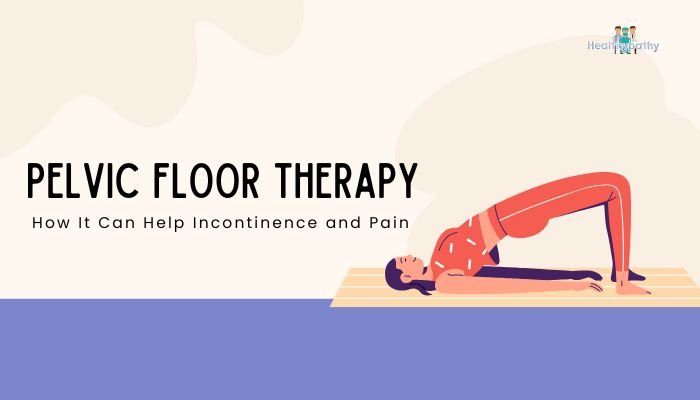
- Exercise Programs: Targeted moves—like customized Kegels, squats, or bridging—build strength and coordination.
- Biofeedback: Sensors measure muscle activity, offering real-time feedback on whether you’re activating or relaxing the right areas.
Typical Duration and Frequency
Therapy plans vary. Some see improvements within a few sessions; others need ongoing visits over months to retrain muscles or address long-standing conditions. Consistency between appointments (home exercises, posture awareness) greatly influences progress.
Conditions Pelvic Floor Therapy Helps
Urinary Incontinence
- Stress Incontinence: Pelvic floor strengthening reduces urine leakage during coughing, sneezing, or exercise.
- Urge Incontinence: Coordination training might calm bladder overactivity, so you gain better control and fewer sudden urges.
Pelvic Pain
Persistent pelvic or vaginal pain could be linked to tense pelvic floor muscles or nerve entrapment. Therapists release these tight muscles, alleviating pain that can interfere with sitting, intercourse, or daily life.
Sexual Dysfunction
A well-functioning pelvic floor supports comfortable intercourse. Therapy can address painful penetration (dyspareunia), vaginismus (involuntary tightening), or postpartum sexual discomfort.
Bowel Issues
Techniques also help those dealing with constipation or fecal incontinence by improving coordination between pelvic muscles and the rectum.
What to Expect During Sessions
Comfortable Environment
Reputable pelvic floor therapists create a private, respectful atmosphere. You might partially disrobe for assessment, but open communication ensures you feel safe and in control.
Education and Guided Exercises
Therapists instruct on correct breathing, proper muscle engagement, or methods to relax an overactive pelvic floor. They often demonstrate or walk you through each movement, ensuring correct technique.
Home Practice
Success hinges on continuing these exercises or relaxation methods at home. Sticking to a routine fosters lasting strength improvements and symptom relief.
Tips and Complementary Approaches
Maintain Healthy Weight
Excess body weight places downward pressure on the pelvic region, possibly aggravating incontinence or prolapse.
Manage Chronic Cough
If you smoke or have conditions causing frequent coughing, addressing them can relieve constant strain on the pelvic floor.
Use Proper Toileting Posture
When bowel movements are an issue, elevating your feet on a small stool ensures better alignment, reducing strain.
Address Underlying Conditions
Some pelvic pain or urinary difficulties tie to endometriosis, interstitial cystitis, or fibroids. Pelvic floor therapy works best in tandem with medical management of these conditions.
When to Seek Professional Help
- Frequent Leaks or inability to fully control urine or stool.
- Chronic Pelvic Pain interfering with daily activities or sexual function.
- Post-Surgery Rehabilitation (e.g., after a hysterectomy or organ repair).
- Unresolved Discomfort despite trying Kegels or at-home exercises.
Your provider might refer you to a urogynecologist or a certified pelvic floor therapist for evaluation. Early intervention often prevents escalation and fosters quicker recovery.
Conclusion
Pelvic floor therapy offers a targeted, non-surgical pathway to improve incontinence, reduce pelvic pain, and boost overall well-being. Working with a specialized physical therapist, you can learn exercises, posture techniques, and body awareness tactics that build muscle strength or release tension. Whether you’re coping with postpartum challenges, chronic pelvic discomfort, or involuntary leaks, this approach frequently yields significant relief—reclaiming comfort and confidence in daily life. If you suspect pelvic floor issues, talking to your healthcare provider about therapy is a strong step toward lasting improvement.
References
- American Urogynecologic Society (AUGS). Pelvic floor physical therapy in female pelvic floor disorders. 2021.
- American College of Obstetricians and Gynecologists (ACOG). Urinary incontinence and pelvic organ prolapse. 2020.
- International Urogynecological Association (IUGA). Clinical guidelines on pelvic floor rehabilitation. 2019.
- Bo K, et al. Impact of pelvic floor muscle training for incontinence and pelvic pain. Obstet Gynecol Int. 2020.