Introduction
A neat, polished look often includes a neatly knotted necktie for many men. Yet recent discussions and some studies have raised questions: can a tightly worn tie constrict blood flow enough to impact eye pressure, potentially contributing to glaucoma risk?
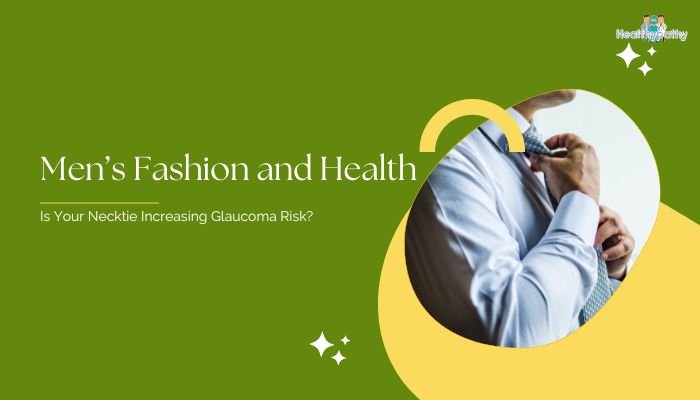
While there’s not a definitive consensus on this link, evidence does suggest that a tie tied too tightly might raise intraocular pressure (IOP) slightly. Understanding the potential concern and balancing style with comfort can help men stay both sharp and healthy.
In this guide, we’ll explore the relationship between neckties and eye health, look at current research, and offer practical tips for men who want to maintain their professional look without risking harm. By staying informed, men can keep their attire comfortable and protect their vision over the long term.
Understanding Glaucoma and Intraocular Pressure (IOP)
Glaucoma is a group of eye conditions typically associated with elevated intraocular pressure (IOP) that can damage the optic nerve, potentially leading to vision loss if left untreated. Factors influencing IOP include fluid drainage within the eye, blood vessel health, and environmental or lifestyle habits. While genetics play a critical role, external factors—like certain postures or habits—may also cause short-term variations in pressure.
Key Points
- High IOP is a primary risk factor for glaucoma development.
- Early detection and consistent management (often via medication or surgery) can protect vision.
The Necktie-Glaucoma Connection: What We Know
Studies and Observations
A handful of small studies suggest wearing a tightly knotted necktie could temporarily elevate IOP. Though the observed changes in these studies are often modest, the possibility exists that repeated IOP spikes, if added to other risk factors (e.g., family history of glaucoma), might affect eye health over time.
Limitations:
- Research typically involves a small number of participants and short monitoring periods.
- Effects can vary depending on how tightly the tie is worn, posture, and individual susceptibility.
Why a Tight Tie Might Affect Eye Pressure
An overly constrictive tie can compress veins in the neck, impairing venous outflow. When blood flow from the head is impeded, pressure in the blood vessels may transmit back into the eyes, temporarily boosting IOP. While healthy individuals typically compensate for brief variations, individuals at risk of or already diagnosed with glaucoma might see more impact.
Other Contributing Factors
- Collar Size: Shirts that are too small can also press on the neck and hamper circulation.
- Posture: Slouching or forward head posture can similarly affect venous drainage.
Balancing Style and Health: Practical Tips
Men need not ditch their ties entirely. Instead, pay attention to:
- Proper Fit
- Ensure shirt collars are comfortably sized. You should fit two fingers between the neck and collar.
- Adjust the tie’s tension so it is snug but not constricting.
- Frequent Breaks
- For extended wear (e.g., at an all-day event), loosen or remove the tie briefly during breaks, promoting circulation.
- Lightweight Materials
- A tie made of thinner fabric may reduce added pressure on the neck.
- Awareness of Signs
- If experiencing any discomfort, headache, or dizziness, briefly loosen the tie and monitor if symptoms ease.
Lifestyle Recommendations for Eye Health
In addition to tie adjustments, general wellness steps help keep eyes healthy:
- Regular Eye Exams
- Routine checkups detect early changes in IOP or optic nerve health.
- Manage Blood Pressure and Blood Sugar
- Conditions like hypertension and diabetes can impact vascular health, influencing risk of eye disease.
- Stay Hydrated and Active
- Proper hydration and moderate exercise can improve circulation, indirectly supporting normal IOP levels.
- Reduce Screen Strain
- Frequent breaks, blinking exercises, and adequate lighting lessen eye fatigue.
When to Seek Professional Advice
- Persistent Visual Changes: Blurred or tunnel vision, halos around lights, or frequent headaches.
- Elevated Eye Pressure: If a doctor has previously noted borderline or high IOP, mention any concerns about your tie-wearing habits.
- Family History of Glaucoma: More stringent monitoring is recommended, as genetics can magnify risk factors.
In such scenarios, an ophthalmologist or optometrist may suggest additional tests or screening intervals.
Conclusion
Though wearing a necktie is unlikely to single-handedly trigger glaucoma, there is evidence suggesting that a too-tight tie can temporarily raise intraocular pressure. Men who wear ties daily, particularly those with existing or potential risk factors for glaucoma, should be mindful of how they fasten their ties and consider proper fitting. Combined with a healthy lifestyle, regular eye checkups, and open communication with healthcare professionals, these small adjustments in attire can help protect eye health and preserve vision. Ultimately, balancing style with comfort ensures that men look and feel their best without jeopardizing their vision.
References
- American Academy of Ophthalmology (AAO).
- National Eye Institute (NEI).
- American Glaucoma Society (AGS).
- Mayo Clinic.