Introduction
Human papillomavirus (HPV) is often discussed in the context of cervical cancer and women’s health, but it’s equally relevant for men. In fact, men who contract HPV can develop anal, penile, or oropharyngeal (throat) cancers and pass the virus to partners.
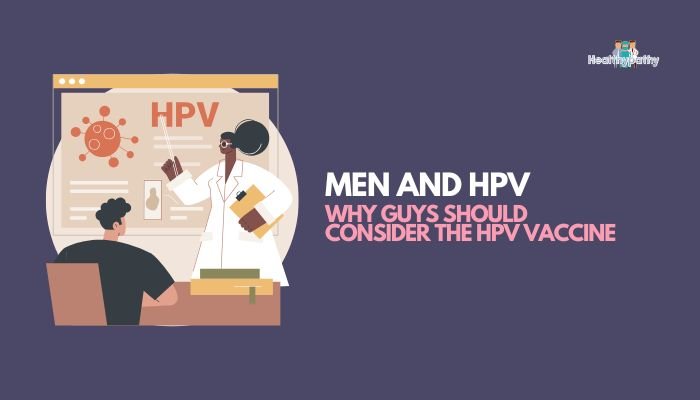
Despite these risks, HPV vaccine uptake remains lower among young men compared to women. Understanding how HPV spreads, the potential consequences for male health, and the protective benefits of vaccination can encourage men to take proactive steps to safeguard their well-being.
In this guide, we’ll cover the basics of HPV, why men are impacted, and how the HPV vaccine reduces both cancer risks and the chance of transmitting infections. By staying informed, guys can make an educated decision about vaccination—one that benefits themselves and their partners.
What Is HPV?
Human papillomavirus encompasses over 100 strains. Many are harmless, clearing spontaneously without symptoms. However, certain “high-risk” HPV strains can lead to cell changes that progress to cancer over time.
Key Points
- Transmission: HPV spreads primarily through intimate skin-to-skin contact, including oral or genital.
- Prevalence: It’s among the most common sexually transmitted infections—most sexually active individuals contract some HPV strain during their lifetime.
- Asymptomatic Nature: People can carry and transmit HPV without knowing, as many strains don’t cause visible warts or immediate issues.
Why HPV Matters for Men
Men can face serious health complications from certain HPV infections:
- Penile Cancer
- Although relatively rare, HPV-related penile tumors can occur and are often serious if undetected.
- Anal Cancer
- Higher incidence is noted among men who have sex with men (MSM) and those with compromised immune systems.
- Oropharyngeal Cancer
- HPV can infect the throat area, leading to tumors in the tonsils or base of the tongue—this type of cancer is rising, especially among men.
Beyond personal health risks, infected men may unknowingly transmit high-risk HPV strains to partners, putting them at risk for cervical or other HPV-related cancers.
Understanding the HPV Vaccine
How It Works
The HPV vaccine targets the most dangerous HPV strains—those associated with ~90% of cervical cancers and a substantial share of other HPV-related malignancies. By priming the immune system before exposure, the vaccine helps the body recognize and neutralize these viruses.
Recommended Age and Guidelines
- Ideal Timing: The CDC recommends routine HPV vaccination starting around ages 11–12, but catch-up doses can benefit older teens and young adults up to age 26 (and in some cases, even beyond this age under certain conditions).
- Gender: While originally emphasized for females to prevent cervical cancer, guidelines now strongly encourage males to vaccinate for mutual protection.
Key Benefits of HPV Vaccination for Men
- Cancer Prevention
- Reduces the likelihood of developing HPV-related anal, penile, and oropharyngeal cancers.
- Genital Wart Reduction
- Many vaccines also defend against HPV strains that cause genital warts.
- Partner Protection
- Minimizes the risk of transmitting HPV to sexual partners, lowering overall virus spread.
- Herd Immunity
- Widespread vaccination across genders can curb community-level HPV prevalence, benefiting everyone’s health.
Addressing Common Misconceptions
“HPV Only Affects Women”
- Reality: HPV can cause significant health issues in men, including cancer and warts.
“It’s Too Late If I’m Already Sexually Active”
- Reality: Even men who have been active could still gain protection from unencountered HPV strains. A partial benefit remains worthwhile.
“Vaccines Are Risky”
- Reality: The HPV vaccine is thoroughly tested and deemed safe. Side effects, if any, are typically mild, such as soreness at the injection site.
Ensuring Effective Vaccination
- Age Matters
- The earlier the vaccine is given (preferably before sexual debut), the higher the protection. However, older teens and young adults still benefit.
- Complete Dose Series
- Depending on age at first dose, men need 2–3 shots over a specified interval to maximize coverage.
- Consistent Checkups
- Even after vaccination, regular healthcare visits ensure overall sexual health, as the vaccine doesn’t guard against all HPV strains or other STDs.
Additional Protective Measures
Safe Sexual Practices
Condoms can reduce HPV transmission risk, though they do not eliminate it fully because HPV can spread via any skin-to-skin contact in the genital area.
Routine Health Screenings
- Oral and Anal Checks: Men at higher risk (e.g., MSM, immunocompromised individuals) should discuss targeted screening with a healthcare provider.
- Physical Exams: Annual checkups can detect suspicious lumps or lesions early.
Open Communication
- Partner Discussions: Transparent conversations about sexual health and vaccination status fosters mutual awareness and protection.
Conclusion
HPV isn’t solely a women’s health concern; men face distinct but significant risks from high-risk HPV strains, including various cancers and transmissibility to partners. The HPV vaccine offers robust protection, particularly when administered before exposure to the virus. Even older or sexually active men often benefit from vaccination, helping them prevent potential illnesses and bolster community-level immunity. Combined with safe sexual practices and routine healthcare, the HPV vaccine can be a crucial step in men safeguarding their long-term well-being and contributing to broader public health efforts.