Introduction
Not all health conditions show obvious signs on the outside. Invisible illnesses such as fibromyalgia, endometriosis, autoimmune disorders, and chronic migraines often lack visible symptoms but still cause significant pain, fatigue, or mental strain. Women often bear a disproportionate burden of such conditions, juggling routine expectations (work, family, social life) amid ongoing discomfort others can’t see.
This article explores why women are more prone to certain invisible illnesses, the hurdles in diagnosis, and practical strategies to improve well-being and resilience.
Understanding Invisible Illnesses
What Makes an Illness “Invisible”?
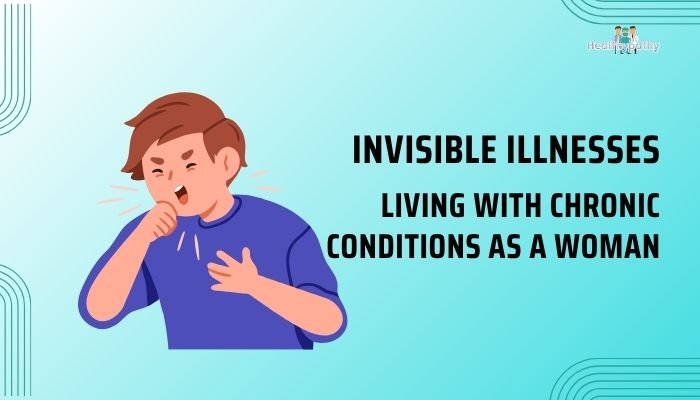
An invisible illness is any health condition with no easily observed physical evidence. While someone with a broken leg has a cast, and a person with a visible rash signals potential skin issues, someone with an invisible illness may “look fine” yet endure chronic pain, fatigue, digestive problems, or cognitive difficulties (like brain fog). Because symptoms remain unseen, others might minimize the impact or even doubt the legitimacy of the condition.
Common Invisible Conditions Affecting Women
- Fibromyalgia: Widespread musculoskeletal pain, fatigue, and sleep troubles.
- Endometriosis: Growth of tissue resembling the uterine lining outside the uterus, triggering severe pelvic pain and possibly fertility challenges.
- Autoimmune Disorders (e.g., Lupus, Rheumatoid Arthritis): Immune system attacks healthy tissues, leading to inflamed joints, organ issues, or rashes that may come and go.
- Migraines: Debilitating headaches with possible nausea, visual auras, or sensitivity to light—often more prevalent among women.
- Chronic Fatigue Syndrome: Persistent, severe fatigue not alleviated by rest.
Gender Factor: Why Women Are Often Affected
Biological and Hormonal Components
Women’s hormonal fluctuations—menstrual cycles, pregnancy, perimenopause—can intensify inflammatory responses or pain perception. Some invisible conditions (e.g., endometriosis) are unique to female reproductive biology, while others (like autoimmune diseases) appear more frequently in females, possibly due to complex genetic and hormonal factors.
Diagnosis Disparities and Bias
Studies show women’s pain is sometimes dismissed or trivialized by healthcare providers, leading to delayed diagnoses. Conditions like fibromyalgia or endometriosis can take years to confirm, prolonging stress and uncertainty.
Social and Emotional Pressures
Societal norms may encourage women to juggle multiple roles—caretaker, professional, partner—and push through discomfort. This can mask the severity of symptoms until they become overwhelming, preventing timely treatment or accommodations.
Challenges in Daily Life
Unpredictable Symptoms
Flare-ups can occur randomly, making it difficult to plan outings, maintain consistent performance at work, or socialize without canceling at the last minute. The sporadic nature can fuel anxiety about letting others down.
Emotional Toll and Stigma
Because there’s no visible proof, friends or colleagues might question the legitimacy of your pain or fatigue. The repeated need to explain or defend your health can lower self-esteem, potentially leading to isolation or depression.
Managing Work and Family Responsibilities
Balancing job duties or family care while coping with chronic pain or exhaustion strains mental and physical resources. Women often keep quiet about their needs, fearing negative judgments or jeopardizing job security.
Approaches to Diagnosis and Treatment
Comprehensive Evaluation
Seek a physician who values a whole-person approach. Diagnosis can involve:
- Detailed Health History: Family or personal trends (e.g., autoimmune conditions in relatives).
- Labs and Imaging: Checking inflammatory markers, hormone levels, ultrasounds or MRIs for certain conditions (like endometriosis or GI disorders).
- Referral to Specialists: Rheumatologists for autoimmune, gynecologists for endometriosis, or neurologists for migraines.
Multidisciplinary Treatment Plans
Because invisible illnesses are multifaceted, a combination of treatments often yields the best outcome:
- Medications: Pain relievers, muscle relaxants, hormonal therapies, or immunosuppressants, depending on condition.
- Physical Therapy / Pelvic Therapy: For musculoskeletal issues, postpartum transitions, or pelvic floor challenges.
- Counseling / Therapy: Chronic pain or ongoing symptoms can affect mental health; talk therapy or cognitive behavioral therapy can help coping strategies.
- Lifestyle Adjustments: Tailoring diet, exercise routines, and stress management to reduce symptom flares.
Advocacy in Healthcare Settings
Women with complex conditions often require self-advocacy. Keep thorough records of symptom patterns, triggers, or effective coping methods. Don’t hesitate to seek second opinions if you sense you aren’t being heard or if treatments fail to address your concerns.
Day-to-Day Strategies for Living Well
Pacing and Priority Management
- Listen to Your Body: Recognize warning signs of flare-ups (fatigue, mild pains) and slow down or adapt to avoid severe episodes.
- Delegate or Simplify: Minimizing “extra” tasks can prevent burnout, whether that’s outsourcing groceries or scheduling more rest time.
Building Support Networks
- Friends and Family: Communicating openly fosters empathy, ensuring they understand limitations or reasons for canceled plans.
- Support Groups (Online or Local): Sharing tips and emotional solidarity with peers battling similar challenges can reduce isolation.
- Workplace Disclosure: If feasible, talk to HR or a supervisor about mild modifications (flexible hours, ergonomic seating, remote days) that ease daily strain.
Gentle, Consistent Movement
Regular, low-impact exercises—like walking, swimming, yoga—can maintain muscle tone and ease stiffness or joint pain. Overdoing high-intensity workouts might worsen fatigue or pain, so find a balanced routine.
Diet and Self-Care
- Anti-Inflammatory Diet: Emphasize fruits, vegetables, lean protein, and omega-3s. Limit processed foods or refined sugars known to spur inflammation.
- Relaxation Techniques: Mindfulness, meditation, or short breathwork breaks can steady stress hormones, beneficial for both mind and body.
Embracing Advocacy and Future Directions
Encouraging Research
More studies on conditions like fibromyalgia, endometriosis, or autoimmune disorders can generate improved diagnostic tools and personalized therapies. Public demand and patient advocacy spur funding for research that clarifies disease mechanisms and paves the way for breakthroughs.
Raising Awareness
By discussing invisible illnesses openly, women challenge stigma. Campaigns on social media, personal blogs, or events highlight that invisible doesn’t mean imaginary, pushing society to understand and accommodate unseen disabilities.
Personal Empowerment
While living with an invisible illness can be disheartening, knowledge is empowering. Having clarity on triggers, effective coping techniques, and honest communication with health professionals fosters a sense of control over daily challenges.
Conclusion
Navigating an invisible illness as a woman means balancing physical symptoms and emotional burdens against daily responsibilities. Conditions like endometriosis, fibromyalgia, and autoimmune disorders are real, even if their signs remain hidden from others. Proper diagnosis, multi-pronged treatment, supportive relationships, and personal self-care strategies can help you manage pain or fatigue without losing hope. By elevating awareness and advocating for inclusive health practices, women with invisible conditions gain validation and the resources needed to maintain fulfilling lives.
References
- Office on Women’s Health (OWH). Invisible illnesses impacting women’s health. 2021.
- National Institute of Arthritis and Musculoskeletal and Skin Diseases (NIAMS). Chronic pain and fibromyalgia guidelines. 2020.
- American College of Obstetricians and Gynecologists (ACOG). Endometriosis facts and treatments. 2022.
- Autoimmune Diseases Association. Gender disparity in autoimmune conditions. 2019.