Introduction
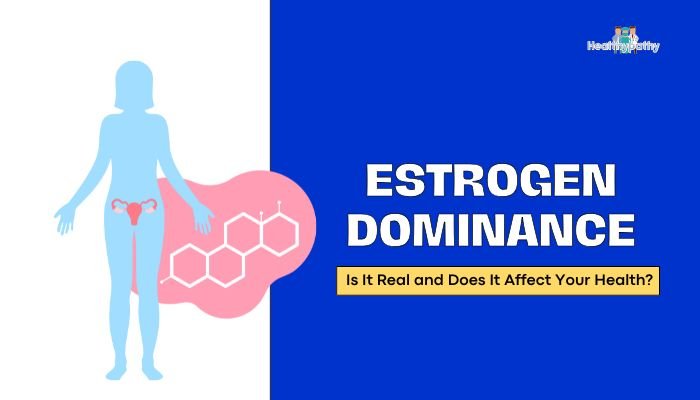
“Estrogen dominance” has become a buzzword in some wellness circles, suggesting that an excess of estrogen relative to other hormones leads to problems like weight gain, mood swings, or heavy periods. While not an official medical diagnosis, the concept often appears in discussions of hormonal imbalance. Some experts argue that high estrogen levels—paired with insufficient progesterone—might manifest in unpleasant symptoms, but how much evidence supports this notion? This guide examines what “estrogen dominance” entails, common signs attributed to it, and strategies for achieving healthy hormonal balance.
Understanding “Estrogen Dominance”
What Is It?
“Estrogen dominance” refers to excess estrogen relative to progesterone levels or other hormones, potentially fueling conditions like PMS, fibroids, endometriosis, or certain breast pathologies. The theory posits that hormonal imbalances—be it from stress, poor diet, or environmental estrogens—result in a persistent surplus of estrogen activity.
Is It Clinically Recognized?
Mainstream medicine doesn’t typically label hormone imbalances as “estrogen dominance,” focusing instead on diagnosing specific conditions (e.g., PCOS, hypothyroidism) that may alter hormone production. Still, hormone experts acknowledge that elevated estrogen or insufficient progesterone can create negative effects, especially if it continues long-term.
Causes and Possible Risk Factors
- Hormonal Fluctuations: Natural life stages—like perimenopause—may see estrogen remain high while progesterone dips.
- Chronic Stress: Excess cortisol can disrupt ovulation and diminish progesterone output.
- Excess Body Fat: Adipose tissue produces estrogen, intensifying overall estrogen levels.
- Environmental Exposures: Synthetic chemicals or xenoestrogens (in plastics, certain cosmetics) might mimic estrogen in the body, compounding total estrogen load.
- Lifestyle Choices: A diet high in sugar or refined carbs can contribute to insulin resistance, which can affect hormone regulation.
Possible Symptoms
- Irregular or Heavy Periods: Women may notice prolonged bleeding or more painful cramps.
- PMS or PMDD: Intense mood swings, bloating, breast tenderness.
- Weight Changes: Especially increased abdominal fat.
- Fibrocystic Breasts: Breast lumps or increased tenderness.
- Fatigue and Low Libido: Hormonal imbalances can disturb energy levels and sexual desire.
Keep in mind, these issues often arise from multiple factors, so confirming that “high estrogen” is the root cause may require professional testing.
Testing and Diagnosis
Hormone Panels
A comprehensive blood or saliva test can measure estradiol, progesterone, testosterone, and other hormones. Checking these at specific times in the menstrual cycle is crucial for accurate interpretation.
Underlying Conditions
If tests show consistently high estrogen or low progesterone, your doctor might investigate conditions like PCOS, thyroid disorders, or liver dysfunction (the liver aids in hormone metabolism). Some of these can mimic or contribute to the “dominance” picture.
Balancing Hormones and Managing “Estrogen Dominance”
Lifestyle Adjustments
- Dietary Fiber: Boosting fiber intake can support estrogen excretion through the digestive tract.
- Regular Exercise: Helps moderate weight, maintain insulin sensitivity, and reduce stress hormones.
- Stress Management: Chronic stress can hamper progesterone production, so techniques like yoga or mindfulness are beneficial.
Reviewing Medications and Supplements
Oral contraceptives, hormone replacement therapy, or unregulated supplements might heighten estrogen levels. Consult a healthcare professional before making changes.
Minimizing Environmental Estrogens
- Avoid BPA or Phthalates: Seek glass or stainless steel over plastic for food and drinks.
- Choose Clean Cosmetics: Check labels for potential endocrine disruptors.
Medical Interventions
If testing confirms a genuine hormonal imbalance, doctors may recommend:
- Progestin Therapies: Balances out estrogen activity.
- Anti-Estrogens or SERMs (Selective Estrogen Receptor Modulators): In certain conditions like fibroids or endometriosis.
- Addressing Root Causes: E.g., treating thyroid disease or insulin resistance.
When to Seek Professional Advice
- Persistent Menstrual Irregularities: Heavy or severely painful periods that hamper daily life.
- Breast Changes: Ongoing tenderness, lumps, or discharge.
- Reproductive Goals: Struggles with conceiving might trace to hormonal imbalances needing medical oversight.
- Inexplicable Weight Gain or Mood Swings: If diet or exercise don’t clarify the changes, consult an endocrine or women’s health specialist.
Conclusion
While “estrogen dominance” lacks formal recognition in most medical textbooks, the concept underlines a common reality: many women’s hormones can slip out of balance, leading to uncomfortable symptoms. For those suspecting elevated estrogen, targeted hormone tests and exploring underlying triggers—like stress, diet, or endocrine disruptors—are vital. Incorporating lifestyle measures, limiting synthetic estrogens, and if needed, medical treatment can bring relief. Ultimately, working closely with a trusted provider ensures you address the real cause behind any hormonal imbalance, improving quality of life and reproductive health.
References
- American College of Obstetricians and Gynecologists (ACOG). Hormonal imbalance in women’s health. 2022.
- North American Menopause Society (NAMS). Understanding estrogen therapy and hormone levels. 2021.
- Endocrine Society. Hyperestrogenism and metabolic impact. 2020.
- Office on Women’s Health (OWH). Managing hormonal issues throughout life stages. 2019.