Introduction
Body dysmorphic disorder (BDD) often brings to mind constant worries about facial features or skin appearance. Yet for men, a specific form centers around muscle dysmorphia, where they obsessively focus on size, definition, or perceived lack of muscle.
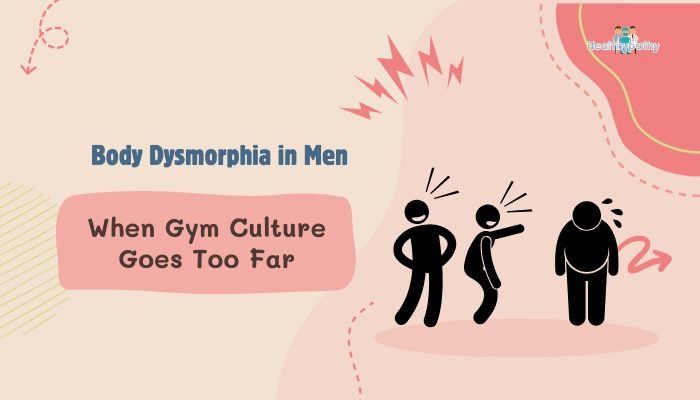
Common in some gym cultures, men might endlessly chase a bigger physique or “ideal” look, losing track of actual health or well-being. Recognizing the signs and understanding resources can help men restore balance, ensuring fitness remains positive and not an all-consuming stress.
Disclaimer: This article is not a substitute for professional medical or psychological advice. Consult qualified healthcare providers for personal concerns.
What Is Body Dysmorphia (Muscle Dysmorphia)?
Defining the Disorder
Body dysmorphia involves preoccupation with perceived physical flaws—often minor or even nonexistent to others, but hugely magnified in one’s own mind. In men focusing on muscles, it’s often called muscle dysmorphia, or colloquially, “bigorexia.” Individuals may feel anxious, depressed, or ashamed if they believe they’re too small, puny, or not muscular enough, no matter their actual physique.
Key Indicators
- Excessive Gym Time: Hours spent working out daily, beyond normal routine.
- Compulsive Mirror Checking: Constant body checks or photographing progress.
- Dietary Extremes: Rigorous diets or excessive protein intake out of fear of losing muscle.
- Social Withdrawal: Avoiding outings or relationships to continue workouts or hide perceived flaws.
How Gym Culture May Exacerbate Body Dysmorphia
Unrealistic Role Models
Social media channels and fitness influencers often showcase extreme muscular physiques, sometimes enhanced by steroids or perfect lighting. Men who constantly compare themselves to these images risk spiraling into dissatisfaction.
Competitive Atmosphere
In some gym circles, intensity and results-driven talk can become a status measure, fueling pressure to push boundaries—leading to overtraining, injuries, or psychological strain if men feel they’re not “measuring up.”
Reinforcement of “Bigger is Better”
Praises for huge arms or a shredded torso can reinforce an unhealthy belief that more muscle equals more worth. This cycle encourages men to chase unattainable definitions of “ideal” size, overshadowing health concerns.
Health Risks Beyond the Mirror
Overtraining and Injury
Excessive workouts without proper rest can cause muscle tears, joint problems, or chronic fatigue. Over time, the body may break down, ironically hampering progress toward physique goals.
Steroid Misuse
Men desperate for rapid gains might turn to anabolic steroids. Side effects range from hormonal imbalances, mood swings (“roid rage”), and potential organ damage to fertility issues.
Mental Health Consequences
Prolonged dissatisfaction, anxiety, or obsession around body image leads to depression, isolation, or conflict in relationships. Some men may prioritize gym time over family, work, or social events.
Recognizing the Signs of Muscle Dysmorphia
Red Flags
- Constant Self-Criticism: Feeling never “muscular enough” even after hitting personal fitness milestones.
- Obsessive Routines: Anxiety if one meal or workout is missed.
- Excessive Supplement Use: Over-reliance on protein powders, pre-workouts, or anabolic substances.
- Body Checking: Repetitive mirror-checking, measuring biceps, or comparing photos daily.
Impact on Everyday Life
When chasing muscle gains disrupts normal routines—e.g., skipping social outings, limiting meals to specific macros, or spending large sums on fitness products—men may be crossing into unhealthy territory.
Approaches to Overcoming Body Dysmorphia
Professional Treatment
- Cognitive Behavioral Therapy (CBT): Helps reframe distorted self-perceptions and reduce negative body-focused behaviors.
- Medication: In some cases, antidepressants or anti-anxiety meds support therapy, particularly if severe mental health issues co-occur.
- Support Groups: Sharing experiences in group settings can normalize feelings, build community, and reduce stigma.
Balanced Fitness Routines
- Moderation: Adopt a 4–5 day per week training schedule that includes rest days for recovery.
- Varied Goals: Incorporate flexibility, endurance, or sport-specific workouts, shifting focus away from pure size.
- Mindful Eating: Approach nutrition holistically, recognizing total health benefits rather than fixating solely on macros for muscle gain.
Mental Shifts
- Identify Triggers: Note social media or environments that intensify body dissatisfaction. Limit exposure or follow more balanced fitness influencers.
- Celebrate Non-Physical Achievements: Focus on strength gains, improved endurance, or skill mastery instead of aesthetic results alone.
Supporting Others Struggling with Body Dysmorphia
Open Conversations
If you notice a friend or partner displaying signs of muscle dysmorphia, gently approach the subject with empathy. Avoid mocking or dismissing their concerns, as that can deepen secrecy or shame.
Encourage Professional Help
Guide them to mental health resources, or suggest a consultation with a psychologist experienced in body image issues. Offer to accompany them if they’re anxious about seeking help alone.
Foster Balanced Environments
Promote varied physical goals among gym buddies, focusing on overall health, functional fitness, and enjoyment. A positive, inclusive approach helps offset competitive or toxic influences.
Key Takeaways
- Gym Culture Can Amplify Dysmorphia: Social pressures for bigger, leaner bodies sometimes push men into obsessive, unhealthy behavior.
- Serious Health Risks: Overtraining, steroid use, and mental struggles may result from an unchecked pursuit of an “ideal physique.”
- Recognition Is Crucial: Excessive body checking, missing obligations for workouts, or severe anxiety if a meal is “imperfect” can be red flags.
- Recovery Path: Through therapy (CBT), balanced fitness routines, and supportive networks, men can manage body dysmorphia.
- Shifting Mindsets: Celebrating holistic health—strength, skill, and mental well-being—fosters a positive, sustainable approach to fitness.
Conclusion
Body dysmorphia among men—particularly “muscle dysmorphia”—is more common than many realize, often concealed by the idea that rigorous gym dedication is universally admirable. While physical fitness is beneficial, it should not come at the cost of emotional distress, damaged relationships, or physical harm. By recognizing the warning signs, seeking professional help when necessary, and transforming the culture around “ideal male bodies,” men can enjoy a healthier, more balanced relationship with exercise and self-image.
Ultimately, fitness should enhance quality of life, not overshadow it. Emphasizing a broader notion of wellness—where mental and emotional health stand as equal priorities—ensures that “gains” aren’t purely about bigger biceps but truly about overall vitality and happiness.
References
- American Psychological Association (APA). (2020). Body Dysmorphic Disorder: Muscle Dysmorphia and men.
- National Institute of Mental Health (NIMH). (2021). Identifying BDD and treatment strategies.
- International Journal of Eating Disorders. (2019). “Muscle dysmorphia in male populations: Prevalence and best practices.”
- Academy for Eating Disorders. (2020). Men and body image: A rising concern.
- World Health Organization (WHO). (2021). Exercise guidelines and mental health implications.