Introduction
Anger is a normal human emotion, yet unchecked rage can strain relationships, harm professional life, and undermine mental well-being—particularly for men conditioned to stifle or redirect emotions. A cycle of suppressed frustration followed by explosive outbursts can form, leading to guilt or negative outcomes.
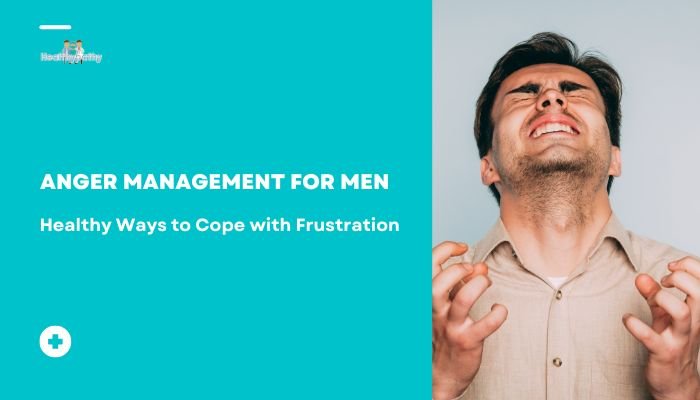
Thankfully, effective anger management strategies allow men to process anger constructively, fostering calm communication, improved relationships, and healthier coping habits. This guide explores common triggers and key approaches to overcoming harmful anger patterns.
Why Men May Struggle with Anger
Societal Conditioning
From a young age, many men hear phrases like “Don’t cry” or “Toughen up,” discouraging emotional expressions other than anger or aggression. This can make men quicker to display hostility while burying sadness or vulnerability.
Stress and Pressure
Balancing work responsibilities, family needs, or financial concerns can escalate tension. Over time, chronic stress can reduce patience, lowering the threshold for anger outbursts.
Underlying Mental Health Issues
Anxiety, depression, or trauma can manifest as irritability. Men sometimes act out in anger instead of acknowledging deeper feelings of fear, guilt, or hopelessness.
Recognizing Anger’s Warning Signs
Physical Cues
- Racing Heartbeat or Rapid Breathing
- Clenched Jaw or Tight Muscles
- Feeling Hot or Sweaty
Emotional Indicators
- Persistent Irritability: Minor inconveniences spark disproportionate annoyance.
- Aggression or Hostility: Even mild critiques or neutral remarks are met with anger.
- Brooding / Holding Grudges: Rumination over perceived slights intensifies resentment.
Behavioral Changes
- Shouting, Swearing, or Abusive Language
- Throwing or Breaking Objects
- Reckless Driving, or other high-risk behaviors
When these signs surface, it’s time to consider helpful anger management strategies or professional guidance.
Healthy Ways to Cope and Express Anger
Pause and Breathe
Pausing briefly before responding can help men de-escalate immediate anger. Simple techniques include:
- Box Breathing: Inhale for four counts, hold for four, exhale for four, and hold again.
- Slow, Deep Breaths: Counting each inhale and exhale helps refocus the mind.
Identify the Underlying Emotion
Ask: “Am I truly angry, or do I feel embarrassed, hurt, or anxious?” Recognizing deeper feelings fosters a calmer, more direct resolution than lashing out.
Practice Communication Skills
- Use “I” Statements: “I feel upset when…” expresses concern without blame.
- Calm, Respectful Tone: Avoiding shouting or name-calling reduces defensiveness, opening room for dialogue.
- Active Listening: Hear the other person’s point of view fully before responding. Validating their perspective can diffuse tension.
Physical Outlets
Channel agitation into structured exercise, such as weightlifting, running, or martial arts. Or pick an active hobby—woodworking, gardening—that releases pent-up energy in a positive manner.
Constructive Distractors
When frustration mounts, stepping away momentarily helps. A walk, splash of cold water on the face, or short mindfulness exercise might interrupt the anger cycle and grant clarity.
Seek Supportive Feedback
Sharing thoughts with a trusted friend, mentor, or therapist can provide an outside perspective. Encouraging men to talk through conflicts rather than stew on them fosters healthier emotional habits.
Long-Term Management and Professional Help
Anger Management Programs
Structured group courses or individual sessions teach advanced techniques for recognizing triggers, reframing thoughts, and employing de-escalation methods in real time.
Therapy or Counseling
Cognitive Behavioral Therapy (CBT) helps men dissect negative thought loops fueling anger, learning alternative beliefs and responses. Therapists specializing in men’s mental health can create a supportive, no-judgment environment.
Address Underlying Issues
If unresolved trauma, depression, or substance misuse feed anger, dealing with those root conditions can significantly reduce irritability. Appropriate medication or specialized counseling might be recommended.
Ongoing Self-Awareness
Even after improvement, occasional anger flashes can resurface under stress. Continuously monitoring emotional patterns and employing coping skills ensures sustained progress.
Changing Perceptions Around Anger
Embracing Emotional Range
Accepting that vulnerability, sadness, or anxiety are normal helps men resist funneling every upset moment into anger. Emotional literacy fosters deeper relationships and self-insight.
Role Model Behavior
Fathers or leaders demonstrating healthy conflict resolution show younger men it’s possible to handle frustration calmly and productively. This ripple effect can shift generational attitudes about expressing emotions.
Community and Peer Support
Men’s groups, or even informal gatherings, allow open dialogues about daily stress. Hearing peers share their journeys normalizes discussing emotional friction rather than burying it.
Conclusion
While anger is a universal emotion, for many men it can become the default response—masking deeper vulnerabilities or resulting from cultural messages about masculinity. Recognizing early signs of anger overload, practicing self-control techniques, and exploring therapy or support programs can break destructive patterns. Ultimately, learning to manage frustration in respectful, constructive ways not only enhances personal well-being but also strengthens relationships at home, work, and beyond. Seeking help is a powerful demonstration of self-awareness and commitment to a healthier emotional life.
References
- American Psychological Association (APA). Men and anger: Data on triggers and management. 2020.
- National Institutes of Health (NIH). Cognitive approaches for anger management efficacy. 2019.
- American Psychiatric Association (APA). Behavioral therapy outcomes in men with anger issues. 2021.
- Mayo Clinic. Anger management tips for improved emotional health. 2022.