Introduction
Erectile dysfunction (ED)—the inability to achieve or maintain an erection sufficient for satisfactory sexual activity—often has more to do with circulation and overall health than one might initially think. While ED can stem from various causes, including stress or hormonal imbalances, it frequently reflects compromised blood flow related to cardiovascular issues.
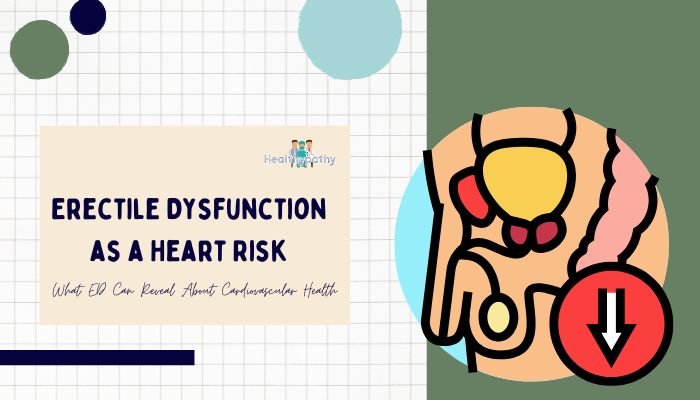
Indeed, medical research suggests that ED can serve as an early indicator of potential heart disease, offering a critical opportunity for earlier detection and intervention.
In this guide, we’ll unpack how ED and heart health are intertwined, discuss common risk factors, and highlight the importance of cardiovascular assessments for men experiencing ongoing erectile difficulties. By recognizing ED as more than just a sexual challenge, men can seek appropriate medical support that improves both cardiovascular outcomes and quality of life.
Understanding the Link Between ED and Cardiovascular Health
Both an erection and healthy heart function hinge on robust blood circulation. Atherosclerosis (narrowing or hardening of arteries due to plaque buildup) and other vascular problems can compromise blood flow, affecting erectile function. As arteries that supply blood to the penis are narrower than coronary arteries, they might show signs of blockage or damage first, manifesting as ED.
Key Points
- ED can be an early sign that plaques or endothelial dysfunction exist in vessels throughout the body, raising red flags for conditions like coronary artery disease.
- Addressing ED might reveal or help manage broader cardiovascular risks.
How Blood Flow Affects Erections
Achieving an erection involves a complex interplay of hormones, nerves, and blood vessels:
- Blood Vessel Dilation: Sexual arousal triggers chemical signals causing blood vessels in the penis to widen, enabling increased blood flow.
- Compression of Veins: As the penis fills with blood, veins are compressed, trapping blood and sustaining an erection.
- Smooth Muscle Function: Healthy endothelium (blood vessel lining) and sufficient nitric oxide levels are pivotal to regulating these processes.
Compromised blood vessel integrity or restricted flow—due to conditions like hypertension or atherosclerosis—makes sustaining an erection more difficult.
Common Risk Factors
Factors overlapping between ED and heart disease include:
- High Blood Pressure (Hypertension)
- Damages vessel walls, impeding blood flow to the penis.
- High Cholesterol
- Plaque formation in arteries hinders circulation.
- Diabetes
- Chronic high blood sugar can cause nerve damage (neuropathy) and vascular complications.
- Smoking
- Known to reduce blood supply, hamper vessel function, and quicken atherosclerosis onset.
- Obesity and Sedentary Lifestyle
- Excess weight strains the cardiovascular system, intensifying ED and heart health risks.
When evaluating a man for ED, clinicians often assess these risk factors as part of a broader cardiovascular examination.
Early Warning: ED as a Predictor of Heart Disease
Numerous studies indicate that men presenting with ED—particularly in their 40s or 50s—have a greater likelihood of developing or already having asymptomatic coronary artery disease.
- Timing Matters: In some cases, ED appears three to five years prior to a cardiac event.
- Advantage of Early Detection: Recognizing ED can prompt cholesterol checks, blood pressure management, or lifestyle interventions to stave off serious heart conditions.
When to Seek a Medical Evaluation
Consult a healthcare professional if you experience ED:
- Consistently
- Temporary problems from stress or fatigue are normal, but ongoing issues warrant investigation.
- Accompanied by Other Symptoms
- Shortness of breath, chest pain, or unusual fatigue may suggest broader cardiovascular struggles.
- Lifestyle Risk Factors
- Smoking, poor diet, minimal exercise, or a family history of heart disease highlight the need for thorough cardiac screening.
Early conversation with a doctor can pinpoint underlying disorders, allowing for prompt interventions.
Lifestyle Changes and Treatment Approaches
Diet and Exercise
- Balanced Nutrients: Emphasize fruits, vegetables, whole grains, and lean proteins.
- Regular Aerobic Activity: Helps maintain healthy arteries and body weight.
Smoking Cessation
- Significant Impact: Quitting tobacco rapidly benefits cardiovascular function and can improve erectile capacity.
Managing Conditions Like Diabetes or Hypertension
- Medication Compliance: Properly controlled blood pressure or blood sugar helps protect vessel health.
- Routine Checkups: Regular labs and doctor visits support stable management.
ED-Specific Treatments
- Phosphodiesterase-5 (PDE5) Inhibitors: Medications like sildenafil can temporarily enhance blood flow but should be used under medical guidance.
- Psychological Counseling: Stress or relationship factors may contribute to ED, making therapy helpful alongside medical care.
Working with Healthcare Professionals
Transparent Communication
- Share all relevant health details—medications, family medical history, symptoms beyond ED—so doctors get the full picture.
Multiple Specialists
- Cardiologists, urologists, endocrinologists, or mental health professionals might collaborate for comprehensive care.
Follow-Up and Monitoring
- Tracking cholesterol, blood pressure, and sexual function over time ensures treatments remain effective and safe.
Conclusion
Erectile dysfunction isn’t always just about sexual performance; it can serve as a warning of hidden cardiovascular problems, offering men an opportunity to address risk factors early. By recognizing ED as both a personal and physiological concern, patients and medical providers can pursue thorough evaluations that potentially prevent more severe heart events. Lifestyle shifts, medication management, and open communication with healthcare teams help men preserve both their vascular health and quality of life. Staying vigilant ensures timely detection and appropriate interventions, benefiting overall wellness in the long run.
References
- American Heart Association (AHA).
- American Urological Association (AUA).
- Cleveland Clinic.
- National Institutes of Health (NIH).