Introduction
Men often overlook routine health screenings or wait until a problem becomes serious before seeking medical help. However, some basic tests and observations can be done at home to catch potential issues early.
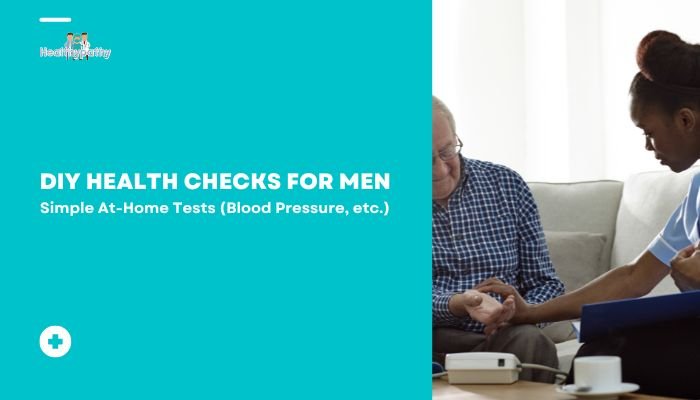
While DIY health checks are no substitute for professional medical evaluations, they can offer useful insights into everyday well-being.
In this guide, we’ll outline simple self-assessments—like blood pressure readings or testicular self-exams—and explain how they help men keep tabs on critical health indicators. Remember: always consult a healthcare professional for thorough diagnoses, especially if any result or symptom raises concern.
Blood Pressure Check
Importance of Monitoring Blood Pressure
High blood pressure (hypertension) often goes unnoticed initially but increases the risk of heart disease, stroke, and kidney problems. Checking blood pressure regularly at home helps detect early rises or track treatment effectiveness if you already have a known issue.
Tools and Method
- Home Blood Pressure Monitor: Choose an automatic, cuff-style model that fits the upper arm. Wrist monitors can be convenient but sometimes less accurate.
- Best Practices: Rest for 5 minutes, sit upright with feet on the ground, and avoid caffeine or tobacco 30 minutes prior. Take at least two readings, about a minute apart, and note them.
Interpreting Numbers
- Normal Range: Generally around 120/80 mmHg or lower.
- Elevated: 120–129/<80 mmHg.
- High Blood Pressure: 130/80 mmHg or higher.
If readings remain high on different days, consult a doctor for possible lifestyle adjustments or medication.
Weight, BMI, and Waist Measurement
Weight and BMI
- Scale Usage: Weigh yourself consistently (e.g., once a week in the morning before meals). Track trends instead of focusing on daily fluctuations.
- BMI Calculation: Body Mass Index = Weight (kg) / [Height (m)]^2. Or use an online BMI calculator. BMI is a rough measure—muscular individuals may appear “overweight” by BMI standards.
Waist Circumference
Excess abdominal fat can be a risk factor for cardiovascular disease. Use a tape measure around your waist at navel level:
- Healthy Range: Under 40 inches (102 cm) for most men.
- Above 40 Inches: Sign of higher metabolic risk, requiring dietary changes or exercise.
Testicular Self-Exam (TSE)
Importance of TSE
Testicular cancer is relatively uncommon but often curable when caught early. Regular self-exams help men spot lumps, swelling, or unusual textures in the testes. Starting TSE in the late teens or early twenties builds lifelong awareness.
How to Perform TSE
- Warm Shower: The heat relaxes scrotal skin.
- Gentle Rolling: Using both hands, roll each testicle between your fingers, feeling for lumps or irregularities.
- Note Differences: A certain mild difference in size is normal. However, any firm lumps or significant changes should prompt a doctor’s visit.
Frequency
Monthly or bi-monthly checks suffice. If you’re uncertain about technique or noticing persistent changes, consult a healthcare professional for guidance.
Other Useful At-Home Checks
Skin Examinations
- Self Skin Checks: Inspect moles or freckles for changes in size, shape, or color. The “ABCDE” rule (Asymmetry, Border, Color, Diameter, Evolving) helps spot suspicious moles.
- Back Areas: Use a mirror or ask a partner for areas you can’t see easily.
Heart Rate and Respiratory Rate
- Resting Pulse: Using a stopwatch or smartphone app, measure beats per minute at the wrist (radial pulse). Normal resting rates range 60–100 bpm in adults, though fit individuals can be lower.
- Respiratory Rate: Count breaths for 60 seconds while relaxed (12–20 per minute is typical for healthy adults).
OTC Home Test Kits
- Cholesterol Kits: Some let you prick a finger and get immediate lipid profile. Results can guide if further lab tests are needed.
- Blood Glucose Monitoring: People at risk of diabetes or prediabetes can track glucose levels. Confirm suspicious results with professional testing.
Tips for Reliable Results
Consistency
Conduct checks under similar conditions: same time of day for weight or blood pressure, similar positions or environment for testicular exams. Variation can distort comparisons.
Write It Down
Use a notebook or health tracking app to record data. Identifying upward or downward trends in blood pressure or weight fosters proactive care.
Know Your Limits
Home checks give initial indications, but a doctor’s evaluation remains crucial. If anything unusual recurs or escalates, professional tests and advice are warranted.
When to Seek Medical Attention
Persistent Abnormal Readings
If your blood pressure remains above 130/80, or if you see a major weight spike/dip unconnected to diet or exercise changes, consult a healthcare provider. Early management prevents complications.
Suspicious Lumps or Skin Changes
Any lumps, rashes, or new moles that appear odd or enlarge call for a dermatologist or primary care appointment. Early detection is pivotal in treating potential issues, from skin cancer to testicular anomalies.
Symptoms Accompanying Results
Headaches paired with high BP, dizziness with unusual pulse rates, or general fatigue warrant deeper investigation. Don’t rely solely on repeated home checks if you feel something is off.
Key Takeaways
- Consistency Matters: Perform routine checks at similar times and conditions for reliable trends.
- Combination Approach: Pair home checks with professional screenings to confirm abnormalities.
- Know Your Normal: Everyone’s baseline differs. Track changes over time rather than focusing on single data points.
- Safe & Simple Tools: Blood pressure monitors, scales, testicular self-exams, and some home kits can reveal early warnings.
- Prompt Follow-Up: If you see red flags—like lumps, abnormal vital sign shifts, or suspicious skin changes—seek medical guidance swiftly.
Conclusion
From measuring blood pressure regularly to performing monthly testicular self-exams, DIY health checks offer men a convenient way to stay informed about their bodies. These methods shouldn’t replace regular doctor visits but function as an extra layer of vigilance, helping identify warning signs early. Effective home monitoring also encourages men to be more proactive about their well-being, bridging the gap between annual physicals. Combine consistent self-checks with professional consultations for a balanced, comprehensive approach to health maintenance.
Ultimately, it’s about empowerment—maintaining awareness and seeking prompt, expert guidance if something seems amiss fosters longevity, confidence, and peace of mind.
References
- American Heart Association. (2021). Home blood pressure monitoring guidelines.
- American Urological Association. (2020). Testicular self-exam instructions and frequency recommendations.
- National Cancer Institute. (2022). Guidelines for early skin cancer detection.
- Centers for Disease Control and Prevention (CDC). (2019). Men’s health: Risk factors and screening overview.
- American Diabetes Association. (2021). Monitoring blood glucose at home: Best practices.