Introduction
Genetic testing is no longer confined to specialized laboratories or obscure medical cases. Today, more men are using at-home DNA kits or clinical genetic testing to understand inherited health risks and guide decisions about diet, exercise, and medical screenings.
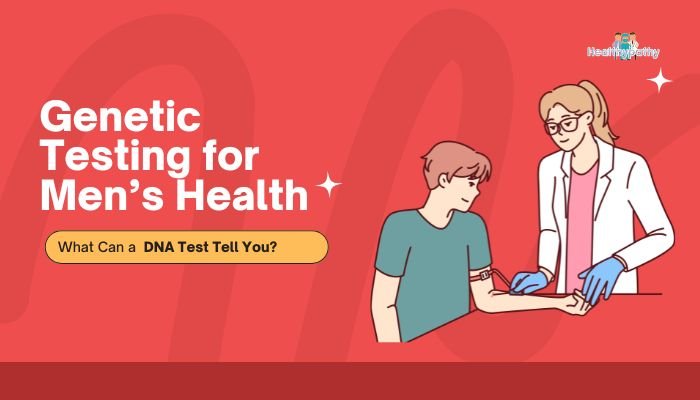
By exploring your unique genetic blueprint, you may uncover predispositions to conditions like heart disease, certain cancers, or metabolic issues—information that could influence your lifestyle choices and long-term well-being.
In this article, we’ll delve into the basics of genetic testing for men, highlight which conditions it can detect, and discuss how to work with healthcare providers to interpret and act on the results.
Whether you’re curious about your family history or looking to personalize your health strategy, understanding how DNA tests work can help men make more informed decisions about preventive care.
Why Genetic Testing Matters
Genetic testing can:
- Identify Inherited Risks: Provide clarity on whether you carry variants associated with certain diseases (e.g., BRCA mutations for cancer).
- Personalize Prevention: Help you and your doctor tailor screening schedules, exercise routines, or nutritional plans based on predispositions.
- Empower Family Conversations: Offer insight into heritable conditions, guiding discussions with relatives and facilitating broader awareness.
While genes aren’t destiny, spotting potential risks allows men to plan proactively and, when possible, alter habits to mitigate them.
Types of Genetic Tests
- Diagnostic Testing
- Conducted if you show symptoms of a condition. Helps confirm or rule out a specific diagnosis (e.g., testing for familial hypercholesterolemia).
- Predictive or Pre-Symptomatic Testing
- For men who have a family history of a certain disease but no current symptoms—like testing for a predisposition to certain hereditary cancers.
- Carrier Testing
- Determines if you carry a gene variant for conditions that could affect your offspring (e.g., cystic fibrosis).
- Ancestry and Recreational Kits
- While primarily for genealogical info, they may provide some health-related data. However, this info may be less thorough or validated than medical-grade tests.
Common Conditions and Genetic Markers to Consider
Hereditary Cancer Syndromes
- BRCA1/BRCA2 Mutations: Typically discussed in relation to breast or ovarian cancer risk, but also raises male risk for prostate or pancreatic cancer.
- Lynch Syndrome: Increases colorectal and other cancer probabilities.
Cardiovascular Risks
- Familial Hypercholesterolemia: Causes high LDL cholesterol, contributing to early heart disease.
- Arrhythmia-related Genes: Inherited forms of arrhythmic conditions.
Inherited Metabolic Disorders
- Hemochromatosis: Excess iron absorption can damage organs if untreated.
- G6PD Deficiency: Affects red blood cells, leading to hemolytic anemia.
Neurological Conditions
- Huntington’s Disease or certain ataxias, though less common, can be identified pre-symptomatically, influencing life and family planning.
The Testing Process
Choosing the Right Test
- Consult a genetic counselor or doctor about which panel suits your health goals.
- At-home kits may have limitations—understand disclaimers and authenticity.
Sample Collection
- Blood Tests: Often the most comprehensive.
- Saliva or Buccal Swabs: Less invasive and used by many consumer genetic services.
Waiting for Results
- Lab processing can range from a couple of weeks to over a month. Results are usually given with disclaimers on interpretation.
Interpreting Outcomes
- Results may indicate positive (a known mutation), negative (no mutation found), or variant of uncertain significance (VUS). Healthcare guidance is crucial for next steps.
Working with Healthcare Professionals
A genetic test can spark anxiety if not properly contextualized, so professional support is crucial:
- Genetic Counselors: They explain complexities like penetrance (chance of expressing a trait) and recommended follow-up.
- Primary Care Physicians: Translate how results impact routine screenings or lifestyle modifications.
- Specialists: Oncologists, cardiologists, or endocrinologists may weigh in if a serious risk is detected.
Armed with a medical team, men can create a personalized action plan—screening intervals, diet or exercise changes, or prophylactic options (in rare scenarios).
Ethical and Privacy Considerations
- Insurance Impact: Genetic information could affect life or disability insurance rates in some jurisdictions. In many places, health insurance is protected under laws like GINA in the U.S., but nuances vary.
- Family Implications: Genetic findings for one individual might also hold significance for relatives.
- Data Security: Confirm how the testing company stores, shares, or sells data. Some at-home tests share anonymized results with research partners.
Lifestyle Adjustments and Follow-Up
If your results reveal a predisposition to high cholesterol or certain cancers, for instance, simple changes can yield big benefits:
- Dietary Shifts
- More vegetables, fruits, and lean proteins if you have a gene variant for obesity or heart disease.
- Regular Exercise
- Particularly important if your risk for type 2 diabetes or cardiovascular disease is elevated.
- Screening Schedules
- Additional colonoscopies, mammograms (for men at extreme risk of breast cancer), or earlier PSA tests for prostate risk.
As your needs evolve, routine retesting or extended panels might become relevant.
Conclusion
Genetic testing provides valuable insights into inherited conditions and predispositions that can shape a man’s health choices. However, test outcomes must be viewed through a well-informed lens—guided by genetic counselors, medical experts, and an understanding of lifestyle factors. No single gene variant dooms you to a disease, but spotting risk factors in advance empowers men to adopt the preventive strategies that truly make a difference. Whether you’re investigating potential family conditions or simply want to refine your wellness plan, DNA tests can be a powerful tool—provided they’re paired with professional guidance and mindful personal decisions.