Introduction
Hormones play a central role in regulating bodily functions and influencing mood and energy levels. While women’s hormones are well-known to cycle in monthly patterns, many wonder if men experience cyclic changes in testosterone that mirror those rhythms.
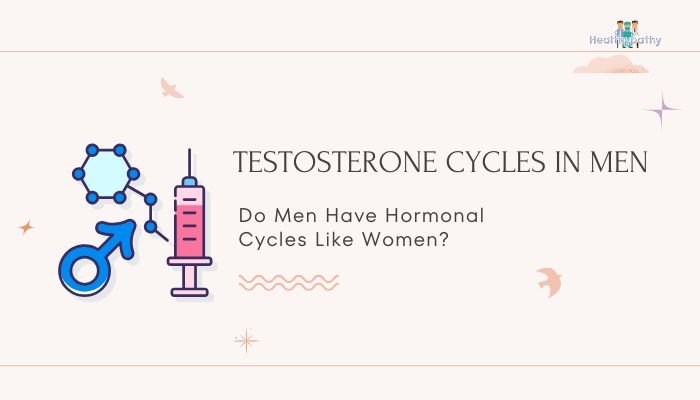
Men don’t usually undergo monthly hormonal peaks and troughs as distinct as a woman’s menstrual cycle, but research suggests men’s testosterone can indeed fluctuate across both daily and potentially seasonal schedules.
Understanding these patterns might help men interpret shifts in mood, energy, and libido, and make more informed decisions about health and lifestyle.
In this guide, we’ll examine how testosterone levels vary in men, the factors affecting these cycles, and the potential effects on well-being.
Understanding Male Hormone Fluctuations
Testosterone is produced primarily in the testes and influences muscle mass, bone density, red blood cell production, sexual desire, and mood. While men do not have a formal “cycle” akin to a woman’s menstrual cycle, testosterone is not static; it exhibits:
- Daily (circadian) variations
- Possible seasonal changes
- Contextual shifts due to stress, sleep, or other lifestyle factors
Monitoring these changes can offer insights into energy levels, fertility, and emotional states.
The Daily (Circadian) Rhythm
Morning Highs, Evening Lows
For many men, testosterone peaks in the early morning hours—often responsible for morning erections—and gradually tapers toward late afternoon or evening. This predictable rise-and-fall is called a circadian rhythm, tied to the sleep-wake cycle.
Key Observations:
- Peak: Usually between 7:00 a.m. and 10:00 a.m.
- Trough: Later in the day; men might feel less energetic or have lower libido.
Role of Sleep
Deep, restorative sleep is essential for healthy testosterone production. Chronic sleep deprivation or poor-quality rest may blunt these morning peaks, contributing to lower overall levels and increased fatigue.
Seasonal Variations and Other Potential Cycles
While not as pronounced or universally studied, some research suggests men might have seasonal shifts in testosterone:
- Autumn Highs
- In some studies, men’s testosterone levels peak in late fall, possibly due to evolutionary or environmental factors.
- Spring Dips
- Conversely, mild decreases might occur in spring or summer.
The extent of these seasonal patterns varies among individuals, and factors such as geography and climate can influence them.
Factors That Affect Testosterone Cycles
Stress
Elevated cortisol, the body’s stress hormone, can dampen testosterone production. Chronic stress from work, relationships, or financial worries may alter daily fluctuations.
Physical Activity
- Regular Exercise: Can support healthy testosterone levels by promoting muscle mass and reducing body fat.
- Excessive Training: Overtraining or insufficient rest can depress testosterone, especially in endurance athletes.
Diet and Nutrition
- Adequate Protein and Healthy Fats: Crucial for hormone synthesis.
- Extreme Caloric Deficits: Prolonged dieting or malnutrition can suppress testosterone.
Age and Health Status
- Gradual Decline: Testosterone typically decreases about 1% per year after 30, leading to changes in daily patterns.
- Chronic Illness: Conditions like obesity, diabetes, or liver disease can disrupt normal hormone rhythms.
Impact on Mood, Libido, and Energy
While day-to-day changes might be mild, men sensitive to hormone variations could note:
- Morning vs. Evening Differences: Energy and libido may feel stronger early in the day, waning by late afternoon.
- Seasonal Influences: Some men report feeling more “driven” during certain months.
- Stress Interactions: Periods of high stress or poor sleep can further dampen levels, intensifying feelings of fatigue or low mood.
Identifying and Managing Low Testosterone
If a man suspects significant testosterone fluctuations causing symptoms—like fatigue, low libido, or mood swings—he can:
- Consult a Healthcare Provider
- Blood tests measuring total and free testosterone levels can confirm or rule out a hormone deficiency.
- Adopt Lifestyle Adjustments
- More sleep, balanced diets, and measured exercise can bolster natural testosterone cycles.
- Consider Therapy
- If clinically low, discussing potential treatments (e.g., testosterone replacement therapy) might be appropriate, though only under medical supervision.
Conclusion
Men may not have the dramatic monthly hormone shifts seen in women, but testosterone does fluctuate on a daily and possibly seasonal basis. These “male cycles” can influence mood, sex drive, and overall energy, shaped by factors like sleep, stress, exercise, and diet. Recognizing patterns in personal hormone levels can empower men to schedule tasks strategically—like workouts or intimate moments—around times when energy and motivation run highest. Should concerns arise about persistent low testosterone or severe fluctuations, seeking professional advice ensures proper testing and, if necessary, treatment. Ultimately, fostering healthy habits, stress management, and adequate rest can help men optimize their natural hormonal rhythms for better well-being.
References
- American Urological Association (AUA).
- Endocrine Society.
- National Institutes of Health (NIH).
- Journal of Clinical Endocrinology & Metabolism.