Introduction
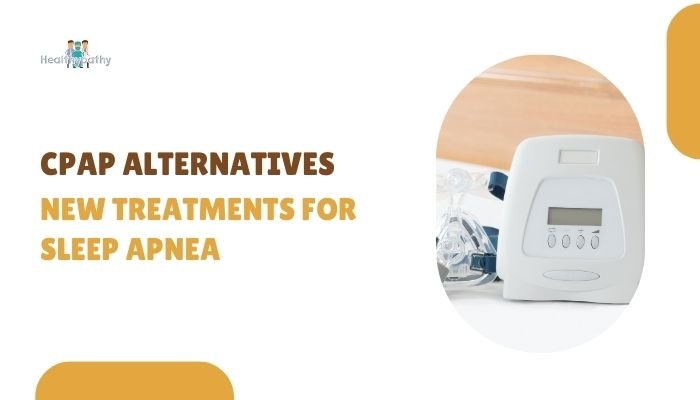
Continuous positive airway pressure (CPAP) is a well-known frontline therapy for obstructive sleep apnea (OSA). Yet, some men struggle with CPAP machines—due to mask discomfort, skin irritation, or finding the noise disruptive. Fortunately, alternative treatments can also help keep airways open and reduce apneic events. Whether you’re seeking a supplement or a replacement for CPAP, investigating these new or lesser-known approaches could improve comfort and compliance.
Disclaimer: This guide is for general information and does not replace professional medical advice. Always consult a sleep specialist or ENT doctor to discuss the best solution for your individual case.
Dental (Oral) Appliances
How They Work
Oral appliances—custom-fitted devices worn in the mouth—alter the position of the jaw or tongue to minimize airway obstruction. Most commonly, they shift the lower jaw forward (mandibular advancement device) to prevent the tongue from collapsing back during sleep.
Who Benefits
Men with mild to moderate OSA often find dental devices helpful. They’re typically not as effective for severe apnea or men with specific anatomical structures that hamper results. Oral appliances are also ideal for men who dislike CPAP masks.
Pros and Cons
Pros:
- Generally more comfortable, portable, and quiet than CPAP.
- Non-invasive and easily transportable for travel.
Cons:
- May cause jaw discomfort or tooth shifting.
- Requires professional fitting and periodic adjustments to maintain effectiveness.
Positional Therapy
Addressing Supine Sleep
Some men’s apneic episodes worsen when sleeping on their back—the tongue and soft tissues block the throat more easily. Positional therapy encourages side-sleeping instead of supine positions.
Techniques
- Wearable Devices: A small apparatus or vibrating sensor on the back that gently prompts you to shift to your side if you roll onto your back.
- Modified Pillows: Special wedge or body pillows supporting side posture.
Effectiveness
Positional therapy alone might not completely eliminate OSA unless it’s primarily position-induced. It can be combined with other treatments, e.g., mild CPAP settings or oral appliances, for better synergy.
Surgical Interventions
UPPP (Uvulopalatopharyngoplasty)
UPPP removes or reshapes tissue in the throat—uvula, soft palate, or pharyngeal walls—to enlarge the airway. This procedure can reduce snoring and apnea events. However, results vary, and some men still need additional treatments post-surgery.
Tongue-Related Surgeries
Genioglossus advancement or hyoid suspension repositions the tongue base to avoid airway blockage. Ideal for men whose main obstruction is tongue collapse.
INSPIRE Implant (Hypoglossal Nerve Stimulator)
A more modern approach, Inspire is an implanted device delivering mild stimulation to the hypoglossal nerve—the nerve controlling tongue muscles—ensuring the tongue doesn’t block airflow. Men who can’t tolerate CPAP often find this surgical solution beneficial.
Expiratory Positive Airway Pressure (EPAP) Devices
Nasal Valve Systems
EPAP devices are small, disposable gadgets placed over the nostrils. They allow normal inhalation but create slight resistance on exhalation, helping keep the airway open without the continuous pressure of a CPAP machine.
Advantages Over CPAP
- Compact and Portable: No hoses or masks, good for travel.
- Quiet: Minimal external noise, more comfortable for bed partners.
Limitations
- Efficacy: May not be sufficient for severe OSA or men with significant anatomical blockages.
- Nasal Breathers Only: Best for men who can comfortably breathe through the nose all night.
Weight Management and Lifestyle Factors
Weight Loss
Excess fat around the neck or trunk can narrow airways, intensifying sleep apnea. Studies confirm that even a 5–10% weight drop can significantly lower apneic events, sometimes diminishing or eliminating the need for CPAP.
Physical Exercise
Strength training and cardio workouts bolster respiratory function and help maintain a healthy weight, indirectly improving airway patency at night. Additionally, exercise can reduce fluid retention in the neck region.
Avoiding Triggers
- Alcohol: Relaxing throat muscles, raising OSA risk. Minimizing late-night alcohol helps.
- Smoking: Irritates airways, leading to inflammation and swelling in the throat.
Considering Your Options
Evaluating Severity
If you suspect moderate to severe OSA, a sleep study (polysomnography) helps confirm the degree of obstruction. Based on results, your doctor might propose a combination of solutions or refer you to an ENT for advanced tests.
Combining Treatments
Many men find success layering solutions—like an oral appliance plus weight-loss goals, or mild positional therapy plus a partial CPAP solution. Discuss with specialists to tailor a plan that addresses your unique anatomy and comfort.
Ongoing Monitoring
Over time, weight changes or aging can alter your airway. Periodic check-ups ensure your chosen method remains effective—sometimes requiring new adjustments or solutions.
Key Takeaways
- CPAP Is the Gold Standard: But for men who cannot tolerate it, multiple alternatives offer relief—from oral appliances to surgical interventions.
- Lifestyle Matters: Weight management, exercise, and avoiding triggers (like alcohol) can substantially improve sleep apnea severity.
- Custom Solutions: Evaluate the root cause—tongue, palate, or nasal structure—to pick the best therapy (positional devices, implants, or minor surgeries).
- Professional Guidance: Sleep physicians, dentists specializing in oral appliances, and ENTs can provide customized solutions, ensuring both efficacy and comfort.
- Stay Proactive: Regular follow-ups, especially if you’re adopting new treatments or have underlying health changes, safeguard optimal breathing at night.
Conclusion
Obstructive sleep apnea can significantly degrade quality of life if left untreated, affecting energy, mood, and long-term health. While CPAP therapy remains a proven, highly effective solution, men who struggle with masks or air pressure do have other routes—ranging from dental devices and EPAP valves to positional therapy and even surgical options like the Inspire implant. In addition, adopting lifestyle improvements such as weight management, consistent exercise, and mindful avoidance of certain triggers can enhance or replace certain treatments.
By consulting with healthcare professionals and exploring these CPAP alternatives, men can find a more comfortable, sustainable method to keep airways open—restoring deep, rejuvenating sleep without compromise.
References
- American Academy of Sleep Medicine (AASM). (2021). Alternatives to CPAP in the treatment of obstructive sleep apnea.
- National Institutes of Health (NIH). (2019). Overview of dental appliances for OSA management.
- Mayo Clinic. (2022). Lifestyle interventions for sleep apnea: Weight loss, exercise, and more.
- American Thoracic Society (ATS). (2020). Emerging surgical procedures and nerve stimulators for severe sleep apnea.
- Sleep Foundation. (2021). Expiratory positive airway pressure (EPAP) devices: Efficacy and usage guidelines.